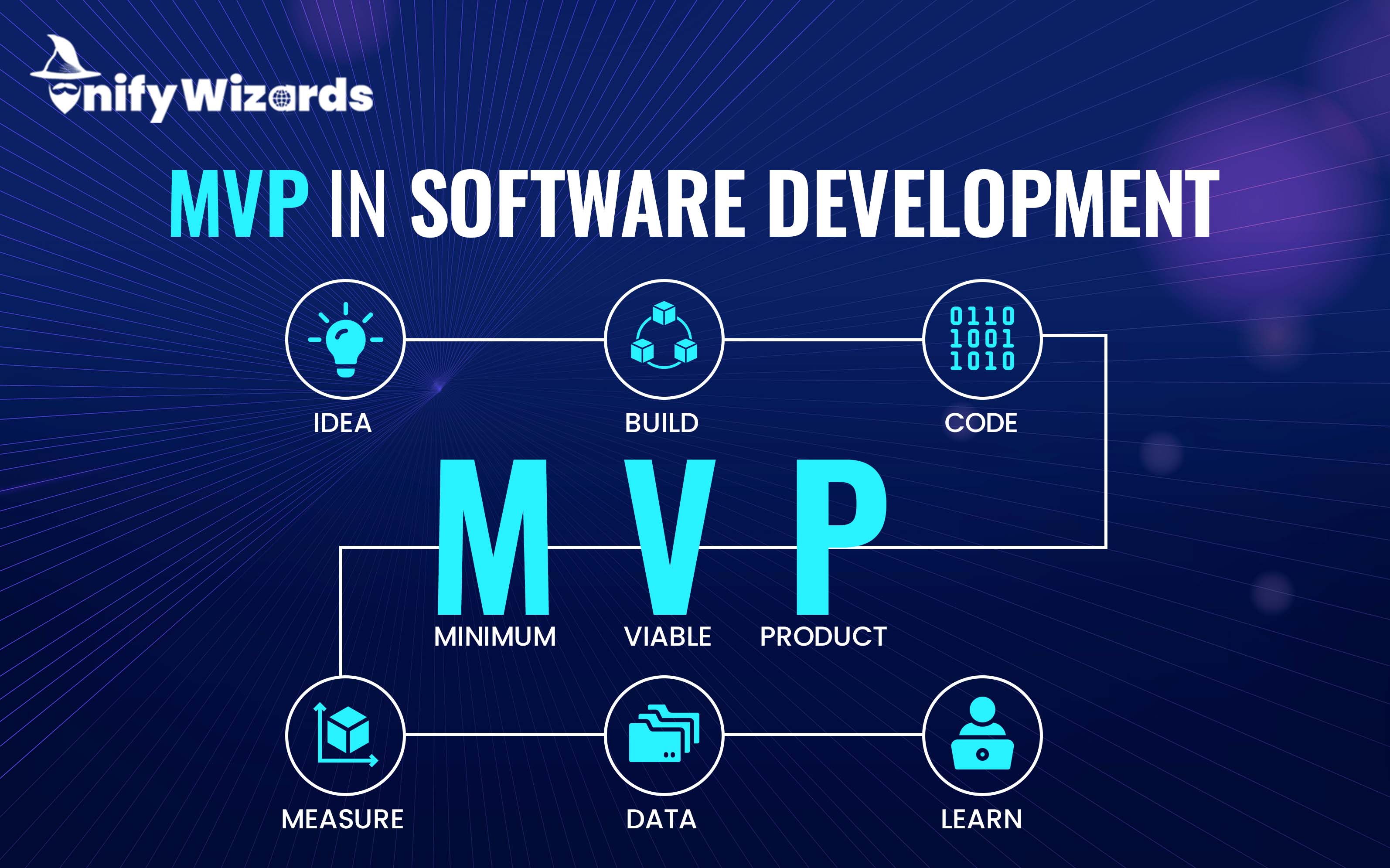
MVP in Software Development: Where Every Big Product Starts Small
You know that feeling when an idea won’t leave you alone? It keeps circling back while you’re making...

Online reputation management services are professional services that monitor, influence, and improve how a business or individual appears across search engines, review platforms, and social media. They combine review management, content strategy, search result optimisation, and crisis response into one ongoing process.
The market backs up why this has become a real category rather than a niche add-on. According to Mordor Intelligence, the online reputation management market was valued at $6.88 billion in 2025 and is projected to reach $14.01 billion by 2031; a 12.59% CAGR. Numbers like that do not happen because businesses are bored. They happen because what shows up about a company online has quietly become the thing that decides whether someone trusts it enough to actually buy.
Online reputation management services UK providers exist because British consumers now decide whether to trust a business almost entirely before any human conversation happens. The judgment gets made on a phone screen, scrolling through reviews, long before anyone picks up a call.
According to Mordor Intelligence, 89% of UK shoppers consult ratings before making a purchase decision. That is not a marginal influence, that is most of your customer base forming an opinion of you based on what strangers said online. Google holds 81% of all reviews recorded in 2024, according to Birdeye, which means one platform is doing most of the work in shaping whether people trust you before they have spoken to you at all.
Online reputation management services UK firms work by running four functions continuously rather than as a one-time fix; monitoring, response, content building, and search suppression. Treat any one of these as a single project and the results tend not to last.
Monitoring means tracking every mention across review sites, social platforms, and search results, often in real time. Response means actually answering negative feedback; quickly, professionally, and without sounding defensive. Content building is the slower work of creating material that genuinely earns trust and ranks well. Search suppression pushes old or damaging content down the page by building something stronger above it.
Speed matters more than most businesses assume. According to Whitehat SEO, industry consensus has shifted to a 15 to 30 minute window for initial acknowledgement of a reputation issue in 2025–2026. Companies with an actual crisis protocol in place recover 75% faster than those scrambling to figure out what to say in the moment.
Online reputation management and PR overlap, but they are not the same job wearing different names. PR is about shaping public perception through media relationships and earned coverage. ORM is narrower and more technical, it is specifically about how a brand shows up in search results, reviews, and AI tools, including work like search suppression that traditional PR was never built to handle.
| Factor | PR | ORM |
| Primary Focus | Media coverage and public perception | Search results, reviews, digital presence |
| Core Channels | News outlets, press releases, events | Google, review sites, social media, AI platforms |
| Technical Component | Minimal | Significant: SEO, suppression, schema markup |
| Crisis Response | Statement-led, media-facing | Platform-specific, often automated initial response |
| Measurement | Media reach, sentiment in coverage | Search rankings, review scores, AI brand mentions |
In practice, the businesses doing this well are not choosing one over the other. They run both side by side and let each one cover what the other cannot.
Key Insight: Gartner projects traditional search engine volume will drop 25% by 2026, with organic search traffic declining 50% or more by 2028, according to Whitehat SEO. By 2028, an estimated 90% of B2B buying will involve an AI agent somewhere in the process. The businesses adapting to this now are building an advantage that gets harder to catch up to with every month that passes.
Choosing well comes down to three things that matter more than a polished pitch deck; proven results in a business like yours, methods that will not get you fined, and an actual plan for the day something goes wrong.
Step 1: Ask for case studies from your specific industry
A provider who has spent years fixing hospitality reviews may have no idea how sensitive healthcare or financial reputation work is: different rules, different risks, different audience expectations entirely.
Step 2: Check that their methods are clean
Under the UK's Digital Markets, Competition and Consumers Act 2024, the CMA can fine a business up to 10% of global annual turnover for submitting, commissioning, or publishing fake reviews. A provider who suggests anything resembling manufactured reviews is not protecting your reputation; they are putting it directly at legal risk.
Step 3: Ask what happens on a bad day
Ask cleanly, and expect clear answers. If they cannot describe a clear response process without pausing to think about it, that tells you they have not actually been through one yet.
Step 4: Confirm how results are measured and reported
A provider should be able to tell you exactly what they track... search rankings, review sentiment, response times, and how often you will see it. Vague reporting promises are usually a sign of vague results to come.
Step 5: Ask who will actually be doing the work
Agencies sometimes sell senior expertise in the pitch and hand the account to a junior team after signing. Ask specifically who manages your account day to day, and how much experience they have with situations like yours.
In today’s world, a good reputation isn’t just built by marketing and word of mouth. Rather, a solid online reputation is created every day through reviews, SEO rankings, social buzz, and now even more so through the data AI algorithms gather about your business. The truth is plain: people have formed opinions about you before you even had a chance to communicate.
First impressions matter, and once someone gets a first impression, it can be hard to reverse. This is especially true in the digital world, where your reputation will determine the fate of your brand online and offline.
Unify Wizards offers expert reputation management, review tracking, content strategies, and more to ensure your reputation works for you, not against you.
Reach out and grow now!
You know that feeling when an idea won’t leave you alone? It keeps circling back while you’re making...

In this digital era, everywhere you go is flooded with ads and clickbait. Every scroll, swipe, and t...

When was the last time you saw an ad about a product you didn't know and instantly made a purchase?...

It's no more news that more than 60% of consumers trust the recommendations of their favourite socia...